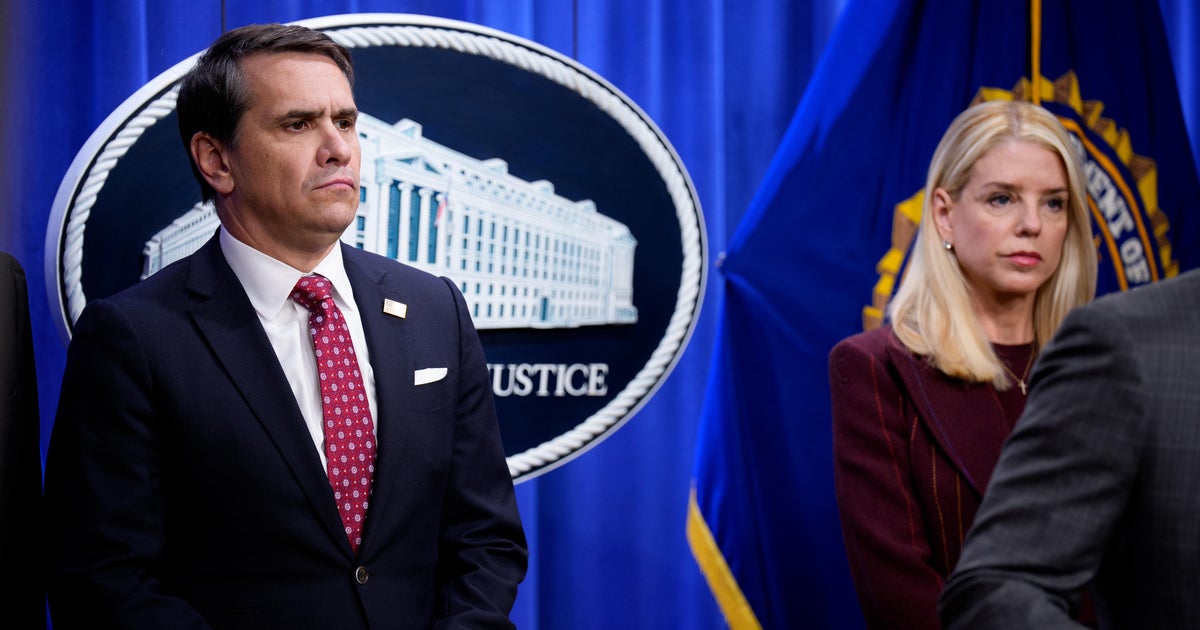
DOJ Faces Mounting Backlash Over Epstein Files and Elusive Client List
The highly scrutinized epstein investigation live continues to stir public debate and political controversy, particularly after the Department of Justice (DOJ) announced the conclusion of its inquiry into Jeffrey Epstein's sex trafficking network without releasing new files or a long-anticipated client list. This decision has ignited a fierce backlash, drawing sharp criticism from a spectrum of public figures and a faction of the DOJ's own supporters who accuse the department of a lack of transparency and accountability.
For years, the public has clamored for comprehensive disclosure, fueled by hints from prominent voices within the political landscape about the existence of incriminating, non-public Epstein case files. The recent announcement, however, suggests a definitive end to further revelations from the DOJ's perspective, leaving many questions unanswered and the public's thirst for truth unquenched. The spotlight remains firmly fixed on every development, with the intricacies of the epstein investigation live unfolding in real-time through various channels.
The Department of Justice's Stance and Public Outcry
Earlier this year, Department of Justice leaders faced a torrent of criticism and calls for resignation when they declared the end of their inquiry into Jeffrey Epstein's vast sex trafficking operation. The core of the outrage stemmed from the DOJ's definitive statement that there was nothing further to share with the public, explicitly adding that "no 'client list' exists" and much of the remaining material is sealed by court order. This declaration came from high-profile figures including Attorney General Pam Bondi, FBI Director Kash Patel, and FBI Deputy Director Dan Bongino.
The announcement struck a particularly dissonant chord with a conservative base that had previously been assured by these very same leaders and other influential Republicans that such a list, often referred to as Epstein's "black book," was real and being concealed by the government. Before assuming his role as FBI Director, Kash Patel had repeatedly suggested the government was holding back vital information. Similarly, Bondi and Bongino had hinted at the existence of unreleased evidence that could expose a network of powerful individuals tied to Epstein's illicit activities.
The disappointment and anger were palpable. Critics argued that the DOJ's current stance directly contradicted their prior assertions, leaving the public feeling misled. The demand for transparency in the epstein investigation live remains a powerful force, with many believing that the true scope of Epstein's network has yet to be fully uncovered. The idea that a vast criminal enterprise could operate with such impunity, involving powerful figures, continues to fuel public skepticism whenever official channels seem to close without full disclosure.
Political Divisions and Allegations of Selective Disclosure
The controversy surrounding the Epstein files is not confined to public outcry; it has also intensified political divisions, particularly within the House Oversight Committee. Chairman James Comer, R-Ky., has leveled serious accusations against his Democratic counterparts, alleging selective release and even doctoring of information related to the Epstein case. These claims emerged hours after committee Democrats publicized what they described as "never-before-seen" photos and videos of Epstein's private compound in the U.S. Virgin Islands, Little Saint James.
Comer quickly countered, telling Fox News Digital that many of the images presented by Democrats had already been released months prior by Project Veritas founder James O'Keefe, now leading O'Keefe Media Group. "Ranking Member Robert Garcia and Democrats on the Oversight Committee continue to embarrass themselves," Comer stated, lambasting what he called a pursuit of headlines through misrepresentation. He emphasized that the Democrats were "cherry-picking documents and doctored some of them," further escalating the political friction.
Among the images publicized were striking views of Epstein's island, including what appeared to be a room featuring a dentist's chair and a chalkboard inscribed with words like "power," "deception," and "appear." While these images certainly add to the macabre understanding of Epstein's operations, the dispute over their originality underscores the deep partisan divide in how the epstein investigation live is being handled and communicated to the public. For more details on this specific clash, read our related article: Epstein Island Photos Spark House Oversight Committee Clash.
Unanswered Questions and Lingering Shadows
Despite the DOJ's declaration, the specter of a "missing client list" continues to loom large over the Epstein saga. The public's sustained belief in its existence is rooted in the sheer scale of Epstein's alleged activities and the logical assumption that such an intricate network would involve a roster of participants and beneficiaries. The official denial only deepens suspicions for many, fostering a perception that powerful figures are being protected.
Jeffrey Epstein's death by suicide in 2019, while awaiting trial for sex trafficking charges, removed a central figure from the narrative, leaving many facts unconfirmed and potential co-conspirators unnamed. His associate, Ghislaine Maxwell, is currently serving a 20-year prison sentence, providing some measure of justice but not the full accounting many desire. The ongoing nature of the epstein investigation live, even post-Epstein and Maxwell, highlights the broader implications for accountability and justice.
Adding another layer to the complex web of associations, renewed scrutiny has fallen on individuals like Andrew Mountbatten-Windsor, formerly Prince Andrew. In November, leaked emails offered fresh insights into the embattled royal's connections to Epstein. These communications referenced Andrew in connection with Virginia Giuffre, who accused him of sexual abuse on three separate occasions in 2001. The continuous drip of new information, even years after Epstein's death, ensures the public's enduring interest in uncovering the full truth behind his illicit activities and his circle. To delve deeper into the royal connection, explore: Prince Andrew's Epstein Ties Intensify Amid Fresh Email Leaks.
The Quest for Transparency: What's Next in the Epstein Investigation?
The DOJ's decision to close its inquiry without further disclosures has undeniably eroded public trust for many, particularly those who have followed the epstein investigation live for years. The disconnect between official pronouncements and public expectations underscores a significant challenge in high-profile cases: how to balance legal protocols, the protection of sensitive information, and the public's right to transparency. The argument that certain materials are sealed by court order is a legal reality, yet it often clashes with the ethical imperative for full accountability, especially when allegations involve the powerful and vulnerable.
Leading political figures, such as Rep. Marjorie Taylor Greene, R-Ga., and Sen. Marsha Blackburn, R-Tenn., have vehemently rejected the Justice Department’s explanation, insisting that more disclosures are not only necessary but a moral obligation. Their persistence reflects a broader sentiment that the full scope of Epstein's network and its enablers has yet to be revealed. For the public, understanding the complete picture involves not just the conviction of individuals but a comprehensive understanding of how such crimes were facilitated and covered up, and who, if anyone, should be held responsible for allowing them to persist.
Looking ahead, the demand for truth is unlikely to diminish. While the DOJ may have concluded its formal inquiry, various investigative journalists, victim advocacy groups, and independent media will undoubtedly continue to pursue leads and press for further revelations. The legacy of the Epstein case will likely be defined not just by the legal outcomes, but by the ongoing public and political pressure for complete transparency and justice for all victims involved.
Conclusion
The controversy surrounding the Department of Justice's handling of the Jeffrey Epstein files and the contentious issue of a "missing client list" remains a flashpoint in the national discourse. The official closure of the inquiry, met with strong accusations of selective information release and a perceived lack of transparency, highlights the deep divisions and skepticism surrounding one of the most disturbing criminal cases of our time. As figures like James Comer clash with Democratic counterparts over evidence, and political leaders like Marjorie Taylor Greene and Marsha Blackburn continue to demand further disclosures, the public's desire for a complete accounting of Epstein's network endures. While key figures like Epstein and Maxwell have met their fates, the epstein investigation live continues in the court of public opinion, underscoring a persistent quest for justice and truth that extends far beyond the confines of official legal proceedings.